


Mantente al tanto: Análisis de datos en tiempo real con los sistemas de adquisición de datos imc
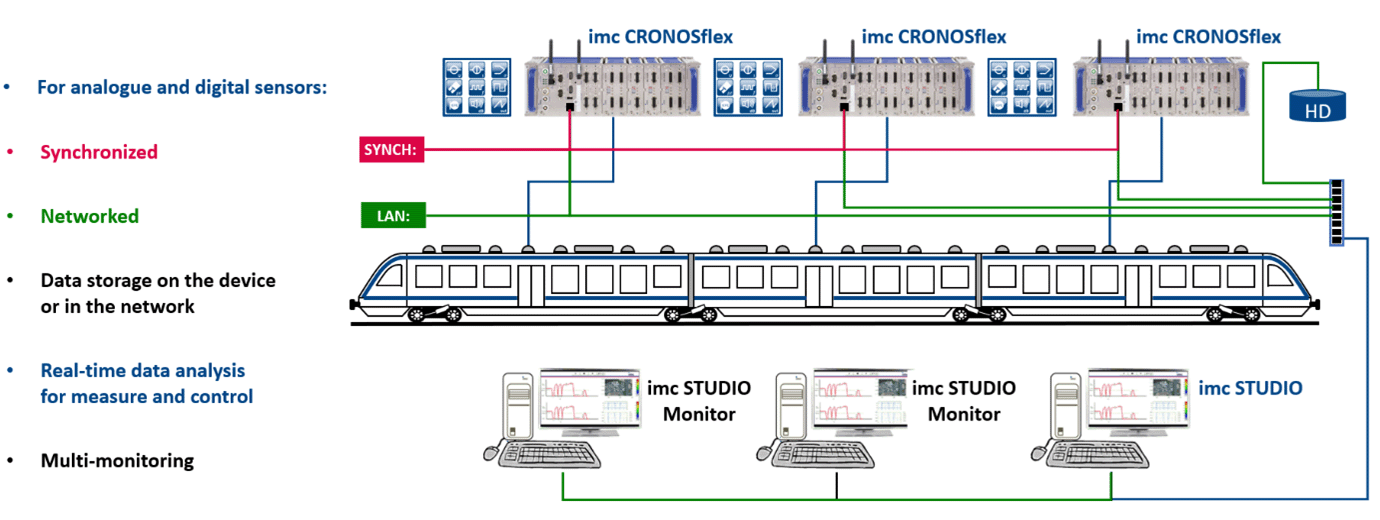
Los sistemas DAQ imc funcionan de forma descentralizada y en red, capturando todos los datos de medición de forma sincrónica. El análisis de datos integrado en tiempo real permite la visualización, el procesamiento, la vinculación y el análisis inmediatos de los datos. Este enfoque proporciona perspectivas e información significativa que van más allá de las simples mediciones directas. El análisis en tiempo real no se reserva para evaluaciones posteriores de los datos, sino que se realiza simultáneamente, está disponible junto con los datos de medición primarios y es gestionado de forma coherente por el sistema de medición. Esto permite combinar datos de todas las áreas del tren, como canales analógicos con datos de buses de campo internos del tren. Esta configuración permite disponer de una visión general del estado operativo del tren, de las unidades funcionales o de componentes específicos durante las pruebas, como una marcha de prueba. La "multimonitorización en directo" permite además una monitorización en tiempo real rápida, segura y eficaz, permitiendo que varias estaciones de monitorización (o PC) accedan simultáneamente a todos los datos, los visualicen y añadan comentarios de texto, audio o voz en directo.
Centralized DAQ architectures quickly hit their limits: long analog cables degrade signals, EMI distorts data, and installation takes time and effort.
imc distributed data aquisitions systems capture signals right where they originate—synchronously across all measurement points, with robust hardware and high signal integrity. The result: a precise, system-wide view of the vehicle, without the burden of long analog wiring or susceptibility to interference.
Typical applications
- Full-train test runs and validation
- Functional testing of bogies, brakes, or HVAC systems
- Structural and fatigue measurements on car bodies
- Comfort and vibration testing (EN 14363, ISO 3381, ISO 3095)
- Thermal and climate testing
Estas piezas de metainformación se ajustan con precisión a sus correspondientes canales de medición, se almacenan y se combinan con canales de vídeo para formar un sistema integrado de canales analógicos, digitales, virtuales (computados), de bus de campo y multimedia. Esta completa "reserva" de información de medición está disponible para la gestión avanzada del almacenamiento, la gestión de bases de datos y el análisis posterior mediante imc FAMOS u otras herramientas de terceros. Con esta configuración, los expertos pueden obtener resultados precisos basados en datos para el desarrollo y las pruebas de diversos componentes, como frenos, suspensión o sistemas de propulsión.
Por qué las arquitecturas distribuidas funcionan mejor
Cuando las rutas de señal son largas o el espacio es reducido, los sistemas centralizados tradicionales se ven limitados. Una configuración distribuida ofrece claras ventajas:
Rutas de señal más cortas: mayor calidad de señal
Las señales se digitalizan a solo unos pocos metros del sensor, en lugar de a decenas de metros de distancia. La ventaja: atenuación mínima, menos ruido y una inmunidad a las interferencias electromagnéticas mucho mayor.
Hasta un 70 % menos de cableado
Menos cables significan menos puntos de fallo. La transmisión digital es inmune a la atenuación y a las interferencias, y los módulos defectuosos pueden aislarse y sustituirse rápidamente.
Mayor fiabilidad
Menos cables significan menos puntos de fallo. La transmisión digital es inmune a la atenuación y a las interferencias, y los módulos defectuosos pueden aislarse y sustituirse rápidamente.
Máxima flexibilidad
Los módulos se pueden reubicar, añadir o intercambiar sin necesidad de volver a cablear toda la instalación, lo que resulta ideal para programas de prototipos en los que las configuraciones de prueba cambian con frecuencia.
Requisitos clave para los sistemas distribuidos:
Distribuido no significa automáticamente sincronizado o robusto. Los ingenieros deben comprobar:
- Sincronización a nivel de microsegundos
- las marcas de tiempo de la red por sí solas no son lo suficientemente precisas
- Conceptos de alimentación flexibles
- Las opciones de alimentación a través de Ethernet (PoE) o de alimentación local reducen el cableado
- Transmisión de datos resistente a las interferencias electromagnéticas
- Los entornos ferroviarios exponen a los sistemas a fuertes campos electromagnéticos
- Control centralizado
- Los usuarios no deberían tener que gestionar la complejidad módulo por módulo.
No todos los sistemas distribuidos cumplen estos requisitos, por lo que vale la pena hacer las preguntas adecuadas.
Cómo resuelve imc estos retos:
Con más de 30 años de experiencia en el sector y cientos de proyectos ferroviarios de éxito en todo el mundo, imc Test & Measurement ofrece plataformas de adquisición de datos (DAQ) de eficacia probada para pruebas ferroviarias distribuidas, desde la evaluación de prototipos hasta la certificación.
Sincronización precisa con una precisión de microsegundos
Los sistemas distribuidos imc CRONOSflex e imc ARGUSfit se conectan en red a través de buses de alta velocidad y tiempo real:
imc CRONOSflex: basado en EtherCAT, un bus de campo determinista para una sincronización de alta precisión y un intercambio rápido de datos a través de un gran número de canales.
imc ARGUSfit: utiliza enlaces de fibra óptica, inmunes a las interferencias y adecuados para largas distancias.
Todos los sistemas de adquisición de datos (DAQ) de imc admiten múltiples métodos de sincronización:
- Sincronización por cable para configuraciones compactas
- GPS o IRIG-B para aplicaciones de largo alcance
- PTP (Precision Time Protocol) sobre Ethernet para redes distribuidas
Un proceso patentado por imc garantiza una sincronización con precisión de muestra en más de 1000 canales distribuidos en varios vagones.
Alimentación y datos a través de un único cable
Los módulos CRONOSflex admiten Power-over-Ethernet, transmitiendo alimentación, datos y sincronización por una sola línea. Para redes más grandes, se pueden integrar módulos de alimentación independientes donde sea necesario, lo que mantiene la instalación ordenada y escalable.
Diseñado para el entorno ferroviario
Los sistemas imc están diseñados para las condiciones ferroviarias reales: a prueba de golpes y vibraciones, con un rango de temperatura ampliado opcional de –40 °C a +85 °C (–40 °F a +185 °F) y alta inmunidad EMC. La serie imc PROTECT está diseñada para los entornos de ensayo más exigentes.
Arquitectura modular para cada tarea
Con imc CRONOSflex e imc ARGUSfit, imc ofrece dos sistemas DAQ totalmente modulares y distribuidos que pueden combinarse de forma flexible para cubrir cualquier requisito de ensayo ferroviario. Ambas plataformas siguen el mismo principio: los módulos de medición se colocan cerca de los sensores, digitalizando las señales directamente en el origen y transmitiéndolas de forma sincronizada a lo largo del tren:
- imc CRONOSflex: un sistema DAQ modular de alta precisión para un gran número de canales y programas de ensayo exigentes. Ideal para certificación, validación y mediciones en trenes de varios vagones, es compatible con redes EtherCAT, Power-over-Ethernet y escalabilidad a larga distancia.
- imc ARGUSfit: un sistema DAQ ultracompacto y modular por encaje, diseñado para espacios de instalación reducidos, como bastidores inferiores o interiores. Su enlace de fibra óptica garantiza un funcionamiento sin interferencias y altas velocidades de datos a largas distancias.
Para tareas de medición especializadas, estos sistemas se pueden ampliar a la perfección con soluciones complementarias de imc:
imc BUSDAQ: un registrador de datos de bus de campo (CAN, MVB, Ethernet, etc.) que se sincroniza perfectamente con todas las plataformas de adquisición de datos (DAQ) de imc.
imc Telemetry: para la adquisición inalámbrica de señales de componentes giratorios, como ejes o discos de freno, transmitiendo los datos de medición de forma fiable al sistema de adquisición de datos (DAQ) de imc
En conjunto, estos sistemas modulares proporcionan a los ingenieros una arquitectura de medición flexible y distribuida, escalable desde subsistemas individuales hasta trenes completos.
Control centralizado e información en tiempo real
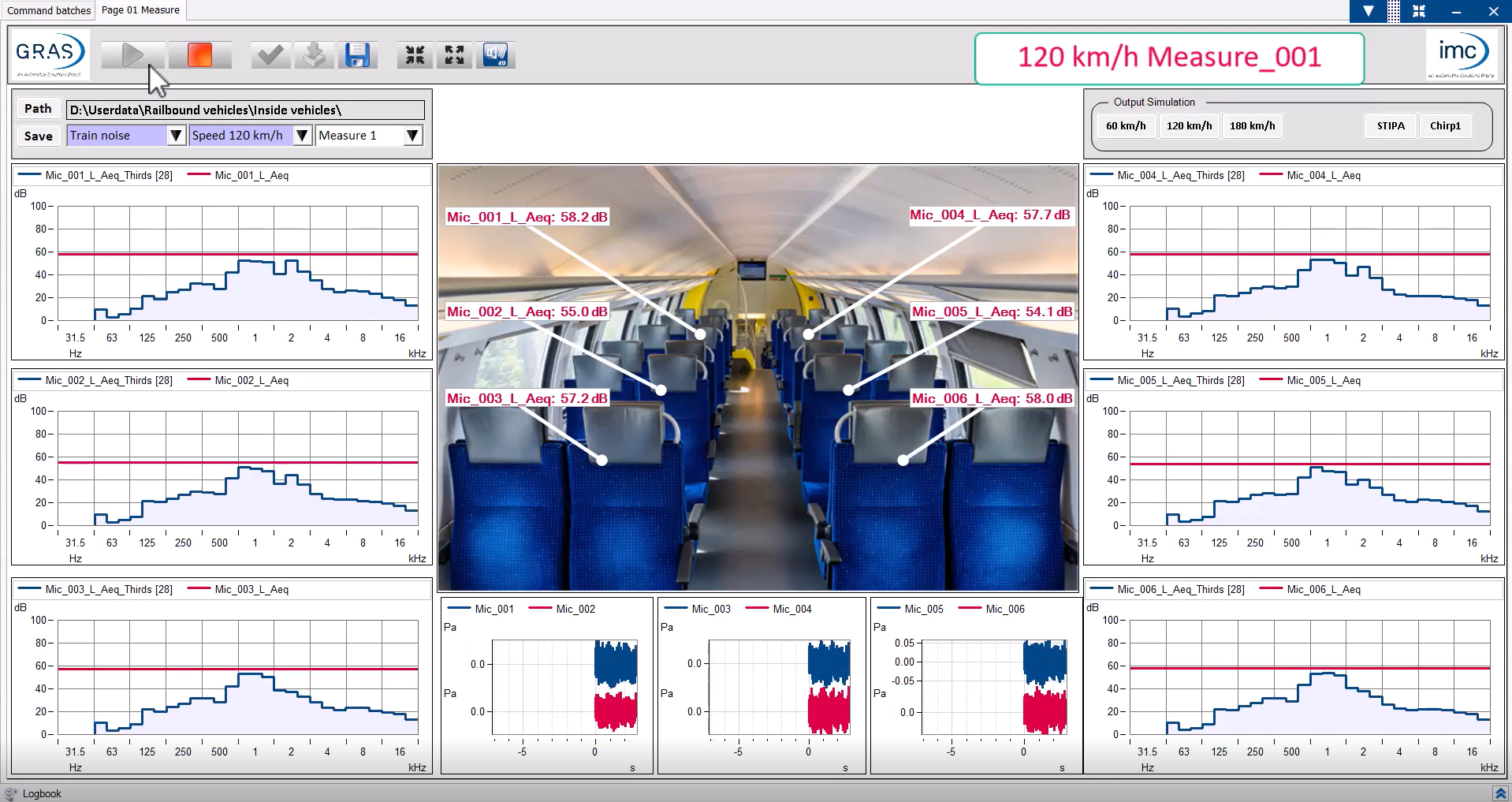
Con el software imc STUDIO, todos los módulos distribuidos pueden configurarse, controlarse y supervisarse desde una única interfaz, independientemente de su ubicación en el tren.
Los ingenieros pueden: La perfecta integración con imc FAMOS permite un posprocesamiento detallado, una evaluación automatizada y la generación de informes personalizados.
- Visualizar y supervisar señales en directo
- Automatizar mediciones y activarlas en función de eventos
- Realizar primeros análisis durante las pruebas de funcionamiento
- Detectar al instante el incumplimiento de los límites
Desde la medición hasta el informe: un flujo de trabajo continuo y eficiente para las pruebas ferroviarias.
Se adapta perfectamente a su flujo de trabajo de desarrollo
Los sistemas de adquisición de datos (DAQ) de imc se integran fácilmente en las cadenas de herramientas existentes:
- Importación de listas de sensores, umbrales y metadatos
- Exportación a MATLAB®, Python® o DIAdem™
- Formatos estándar (MDF4, CSV, HDF5) para un acceso universal a los datos
- Enlaces directos a bases de datos y almacenamiento en red
Del prototipo a la homologación en serie
Durante el desarrollo de un tren, cientos de sensores registran la deformación, la temperatura y la aceleración en todo el vehículo.
Los módulos imc CRONOSflex distribuidos digitalizan estas señales en el punto de origen y las transmiten de forma sincronizada a la unidad base, lo que permite obtener información en tiempo real sobre subsistemas completos.
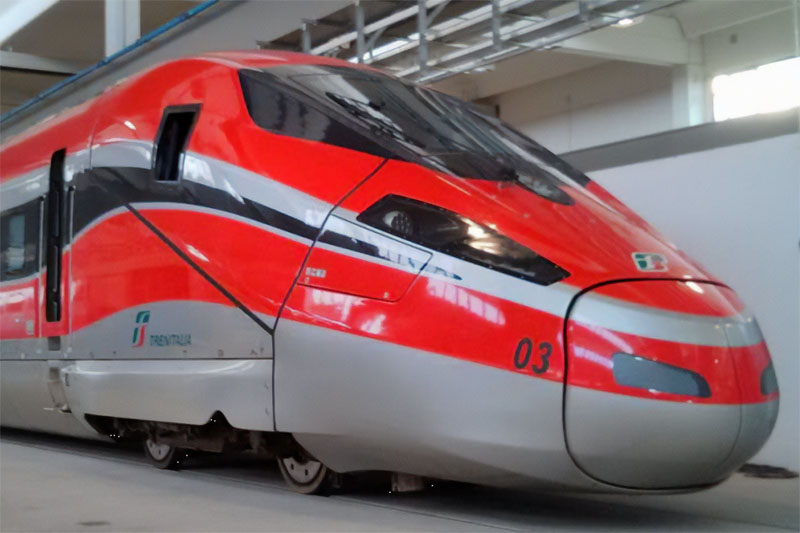
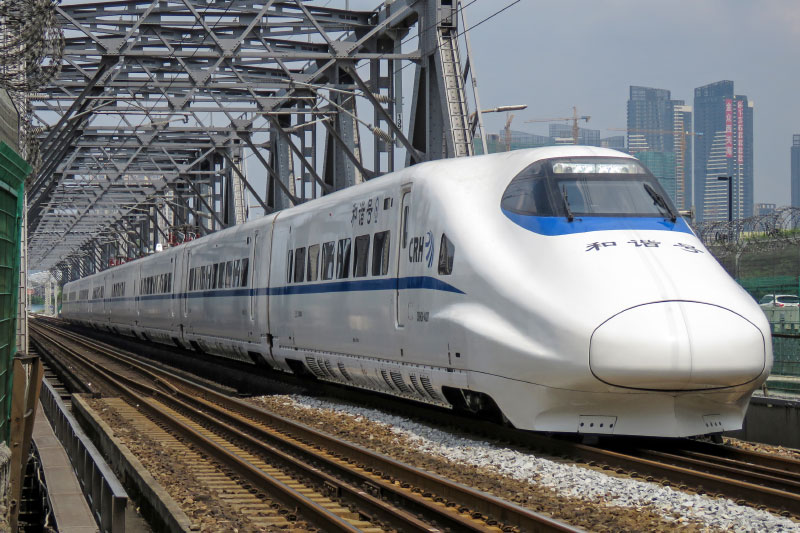
Certificación de trenes de alta velocidad
Para la certificación del Frecciarossa 1000, Italcertifer capturó más de 300 canales en varios vagones utilizando imc CRONOSflex y CRONOScompact.
Los datos de aceleración, fuerza, temperatura y bus se registraron de forma sincronizada a una velocidad de hasta 100 kS/s por canal y se analizaron en tiempo real.
Conclusión: Eficientes, resistentes, conectados
Los sistemas de adquisición de datos distribuidos de imc proporcionan una base sólida para realizar ensayos seguros, eficientes y conformes con las normas de los vehículos ferroviarios modernos. Desde componentes individuales hasta composiciones completas, el concepto modular ofrece la máxima flexibilidad con un esfuerzo de instalación mínimo.
Sus ventajas:Probados en la práctica en cientos de proyectos ferroviarios en todo el mundo.
- Hasta un 70 % menos de cableado
- La mejor calidad de señal de su clase gracias a la digitalización en origen
- Sincronización con precisión de microsegundos en más de 1000 canales
Your Next Rail Measurement Project – Let’s Talk
Which system best fits your application? Our application engineers understand the specific demands of rail testing and support you from concept through commissioning. Book a meeting with our experts:
